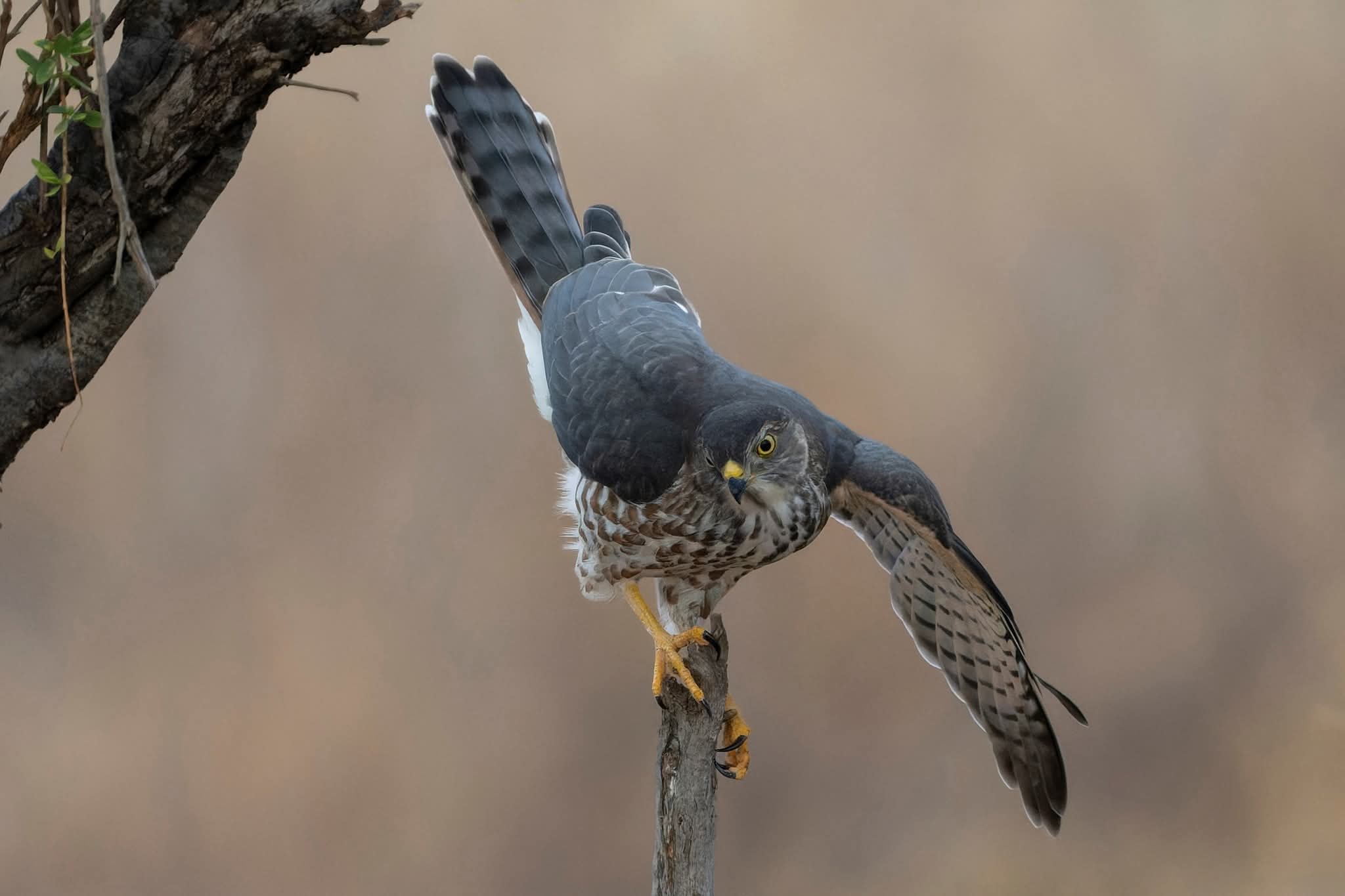
About This Tour
Kenya is widely celebrated as a top safari destination for its iconic wildlife, but it is equally one of Africa's premier birding hotspots. With over 1,100 recorded bird species, the country offers exceptional diversity making it possible to spot 600+ species in a 3-week tour and up to 800 species in 4 weeks. This richness is driven by Kenya's varied landscapes, climates, and ecosystems.
ABOUT KENYA BIRD PHOTOGRAPHY
Most people go on safari in Kenya to photograph big game animals. Opportunities to photograph mammals abound on the open savanna of all the game parks, especially Masai Mara during the wildebeest migration during July-August. In addition, numerous opportunities arise to photograph birds. The most obvious are birds of the open savanna such as Common Ostrich, bustards, and Secretarybird and the astounding concentrations of flamingos on soda lakes, especially Lake Nakuru. Less obvious are the lucky chances to photograph Bateleur, African Fish-Eagle, and the many other raptors of open country. The gaudy displays of whydahs and widowbirds during mating season offer spectacular photo opportunities. Many bird species such as fiscals and weavers of open country are readily photographed. With patience it's also possible to photograph birds of the Kakamega Forest and other forested habitats. It's actually quite surprising how many opportunities arise to photograph birds in addition to mammals while on safari.
WHEN TO VISIT KENYA
The best time to view the amazing wildebeest migration and especially the spectacle of migratory herds crossing the Mara River is July and early August. Even then, there are no guarantees of seeing a river crossing, since they don't occur every day and it sometimes takes waiting for many hours to see it occur. Unfortunately, July and August are dry season when bird activity is low and the majority of species are no longer in breeding plumage. In some years the wildebeest herds remain in Kenya until September or October, depending on the rains, and in those years it's possible to see a crossing as they are moving south again to the Serengeti during those months. The timing of the migration varies every year and has been especially unpredictable in recent years. In some years the wildebeest herds remain in Kenya until September or October, depending on the rains, and in those years it's possible to see a crossing as they are moving south again to the Serengeti during those months. The migration varies every year and has been especially unpredictable in recent years.
An excellent time to go birding in Kenya is during the short rains of November and early December when most species are in breeding plumage. That's also when the display behavior of whydahs and other species takes place. During that time many Palearctic migrants are present as well. By January mating activity has tapered off and birds are changing into non-breeding plumage. A second time to visit is during the long rains of April-May. During those months some parts of the game reserves become impassable due to the heavy mud, grass and other vegetation becomes taller so mammals are often less easy to see, and birding in the rain isn't all that pleasant at times. Shortly thereafter in June is often a better time for birding because many species are still in breeding plumage, the plains are drying out, and the weather is generally good. In some years migrating wildebeest arrive in late June instead of July, and when that happens it's an added bonus for a June birding tour.
Day by Day Itinerary
The Highlands
The Kenyan Highlands lie on both sides of the Great Rift Valley and are characterized by cooler temperatures and higher rainfall. Key locations: Nairobi National Park Mount Kenya Aberdare Mountains Mau Forest These areas host montane forests, grasslands, and farmlands, supporting species like sunbirds, turacos, and forest specialists. However, deforestation and agriculture pose major threats to bird habitats.
The Rift Valley
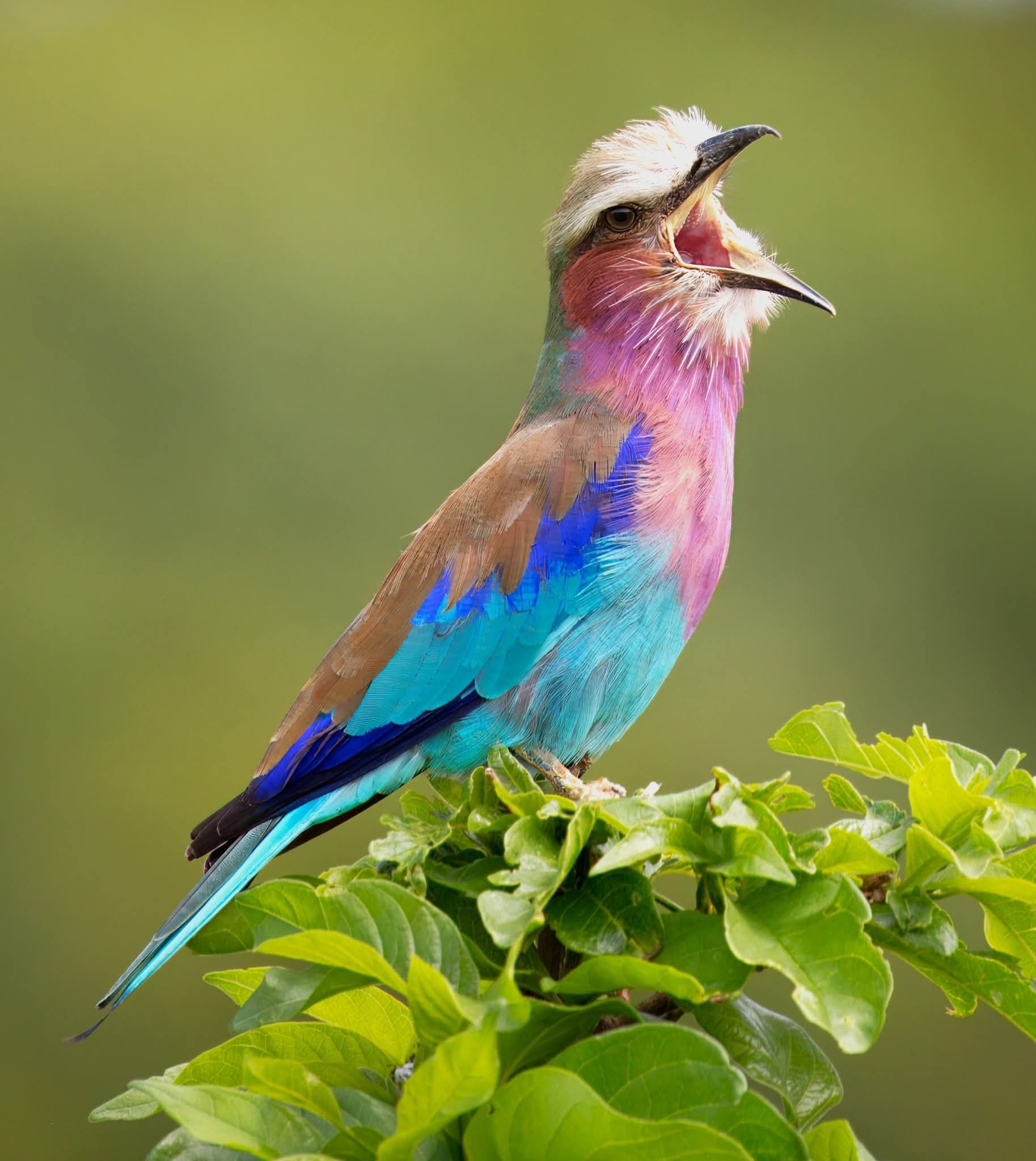
Part of the larger Great Rift Valley, this region stretches from Lake Turkana southward into Tanzania. Notable birding sites: Lake Nakuru - famous for flamingos Lake Naivasha Lake Baringo Maasai Mara National Reserve This region combines alkaline lakes, freshwater bodies, and savanna ecosystems, attracting flamingos, pelicans, raptors, and over 500 bird species in Maasai Mara alone.
The Western Plateau
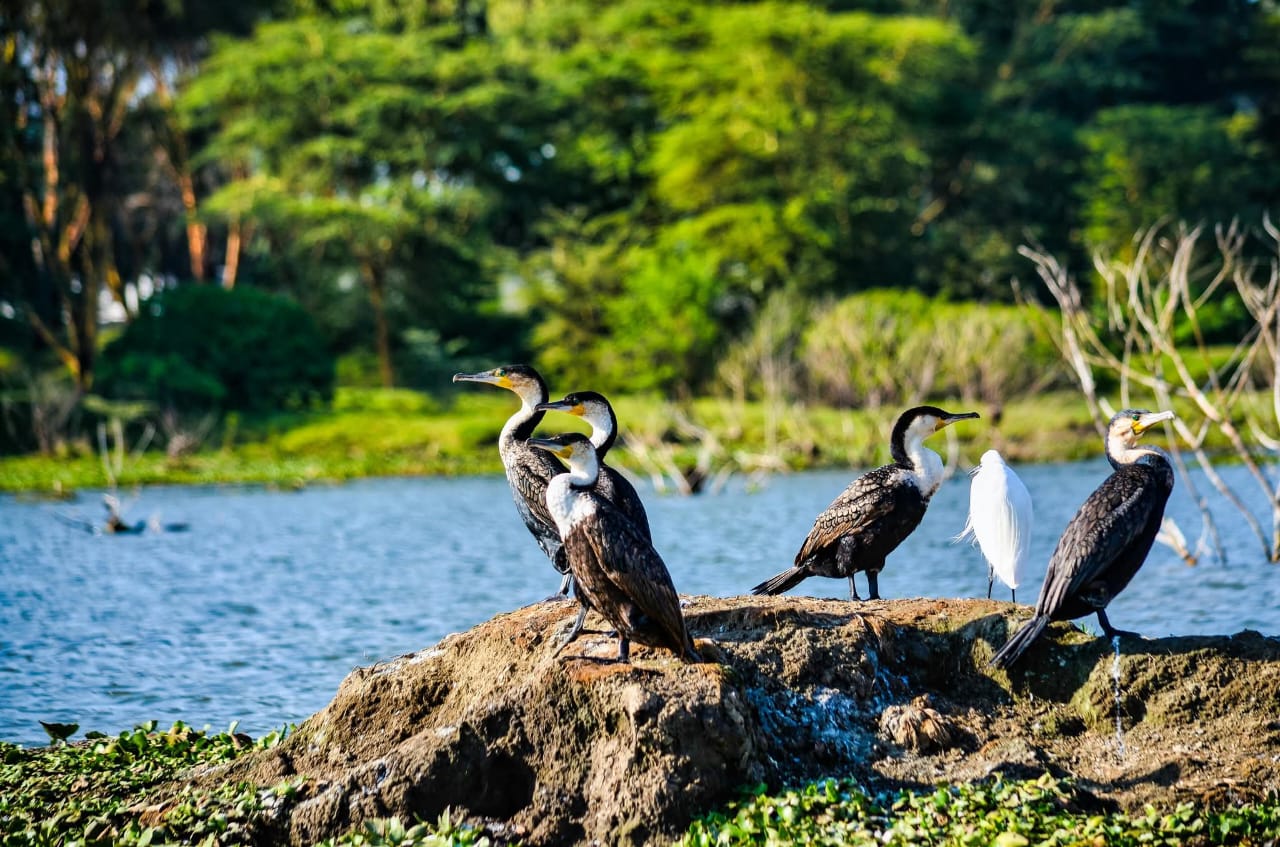
Located around Lake Victoria, this region is one of Kenya’s richest birding zones. Highlights: Kakamega Forest Kenya's only tropical rainforest Papyrus swamps and lakeshore habitats Over 80 bird species found here are unique within Kenya, making it a must-visit for serious birders. The mix of forest, wetland, and grassland habitats creates exceptional diversity.
The Coastal Region
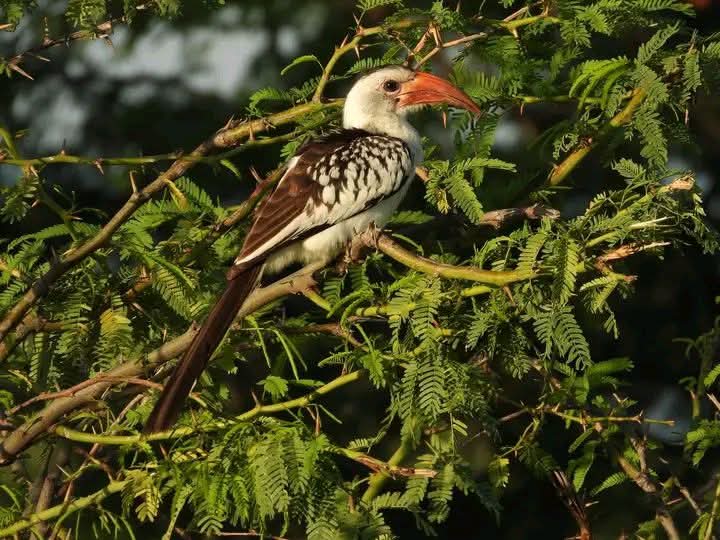
Stretching along the Indian Ocean, this region is hot, low-lying, and ecologically unique. Key sites: Tsavo National Park Amboseli National Park Shimba Hills National Reserve Birdlife here includes coastal forest species, waterbirds, and migratory birds, with coral reefs and river floodplains adding to habitat diversity.
The Northern Plains
This arid and semi-desert region stretches toward Somalia and includes: Lake Turkana Chalbi Desert Samburu National Reserve Despite its harsh climate, it hosts specialized dryland bird species and unique wildlife like Grevy’s zebra and reticulated giraffe. It is less visited, offering a more remote and exclusive birding experience.